



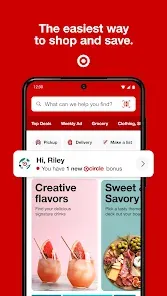
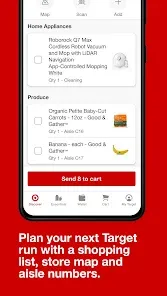
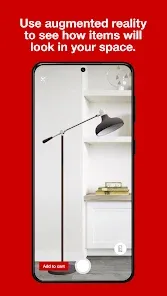
Target is One of the USA's biggest retailers. It provides a mobile phone app that provides customers with the full store, anytime and anywhere. You can track order details on your phone, pick up your name icon in the lower right corner, then click Purchases. You CAN BE On Target.com, select Orders in the upper right corner and choose from either your Purchase history or Order status to see order details including tracking number data.
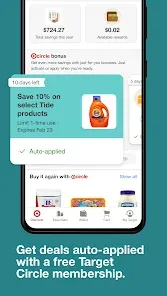
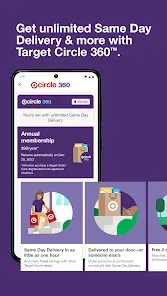
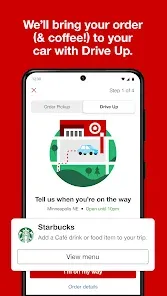
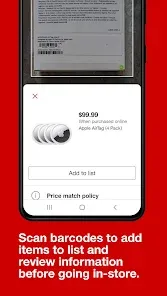
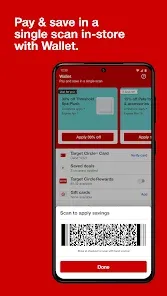
Smartphone owners will be able to use its mobile app to browse inventory of products locally, even if they are not at a store. Just in time for the hectic holiday shopping season, Target is rolling out searchable product inventory on its mobile app. Target is well on the way to combining its mobile app suite into a single experience, consolidating mobile shopping, loyalty programs, and payments in a single location, after trying out a slew of standalone apps. The introduction allows Target to continue to be firm on its policy not to accept external payments apps at Target stores. Target joined the ranks of other physical stores, from Walmart and Kohls to Starbucks and Dunkin Donuts, that have introduced proprietary payments apps. The introduction is meant to entice Target App users to whip out their phones and scan them at checkout for a few combo savings. Coupons were the biggest focal point for Targets 2013 mobile push, and Target used a mix of mobile ads, text messages, apps, and its mobile website to entice shoppers to use Target coupons to save. Target continues to refine its mobile apps and Web sites, pushing forward its efforts with mobile videos, location-based, content, advertising and couponing. With shoppers using mobile devices in stores more often to help them, Target updated its iPhone app to enhance navigation and simplify users ability to interact with the app while in one of the retailers stores. More than 70% of retailers mobile app use is focused on the in-store experience, according to Point Inside. In fact, almost every one of the top 100 retailers is either rolling out or piloting some kind of in-store user experience that is augmented by a mobile device. Big-box stores are pulling a variety of features, including loyalty, checkout, and pickup, into their main mobile apps. Plus, by having an even larger number of Target stores on the Shipt network, as well as being able to choose which stores guest shoppers are shopping in, guests have even more options for customizing their deliveries. Once users get into a Target store--store presence will be detected passively via geofencing--they will get access to an array of search and discovery capabilities. With improved support for iPads, the wallet makes shopping anywhere easier, allowing searching for the full Target selection, complete with online promotions and flexible order options. Target launched its mobile payment tool, Wallet, powered by barcodes, in December 2017; it lives inside the Target app. Remain is somewhat tongue-in-cheek, considering that Apple Pay is already compatible with the Target app for online purchases. Already, cartwheel savings on the Target app worked this way -- i.e., once discounts were added to selected products on a Target account using the Cartwheel function, shoppers could show the barcode at the checkout counter to take advantage of savings. The Target App has many great features, but there are also some drawbacks. One downside is that it can be difficult to find items in the store if you don't know exactly where they are. Another issue is that the prices of items can change frequently, so it's important to check the app before you buy something to make sure you're getting the best deal. Additionally, Target coupons and deals are often specific to certain locations, so you might not be able to use them if you're not near a particular store. Overall, the Target App is a great tool, but there are a few things to keep in mind before using it. What is Target App?
Features of Target App
Pros of Target App
Cons of Target App
 Google Play
  App Store
 How do I use coupons?
What is the cart feature?
How can I find products?
How can I find promotions?
How can I get help?